

On This Page
- What Is Staple Line Reinforcement?
- Why Surgeons Use It
- What Does the Evidence Say?
- ZED: A Bio-Absorbable Reinforcement Strip
- Questions to Ask About Any Reinforcement Product
- Types of Reinforcement Material
- Practical Tips for Using Reinforcement
- When Might Reinforcement Be Considered?
- Reinforcement Is One Layer, Not the Whole Answer
- Continue Reading
- Frequently Asked Questions
A staple line is only as strong as the tissue it holds. In thin, friable or oedematous tissue, or where the line is under tension, the staples can pull through or leave small gaps. Staple line reinforcement is one of the ways surgeons add security to that line.
What Is Staple Line Reinforcement?
Reinforcement is an additional layer of material placed along the staple line, usually as a strip that is loaded onto the stapler jaws before firing. When the staples fire, the strip is fixed in place and spreads the load over a wider area of tissue. This is why it is often called buttressing.
Reinforcement materials fall into two broad groups: synthetic materials and biological materials. Some are permanent and some are absorbed or remodelled by the body.
Why Surgeons Use It
The aim is to support the staple line where it is most at risk. Typical reasons include:
- Tissue that is thin, friable or poorly perfused.
- Lines under tension.
- Procedures where staple line bleeding or an air or fluid leak would have serious consequences.
- High-risk patients, where the surgeon wants an extra margin of safety.
What Does the Evidence Say?
The research is varied, and several widely quoted summaries are produced by manufacturers, so it helps to read it carefully.
- A 2015 meta-analysis of gastric staple line reinforcement noted that there was no consensus on whether reinforcement is beneficial.
- A 2022 meta-analysis in distal pancreatectomy reported that reinforced staplers did not prevent biochemical pancreatic fistula, but that clinically significant fistula (Grades B and C) was significantly lower with reinforced staplers than with bare staplers.
- Across specialities, reinforcement is generally associated with less staple line bleeding and fewer pulmonary air leaks, although high-quality evidence is limited.
The honest summary is that reinforcement appears useful in some settings, and the decision should rest on the procedure, the tissue and the surgeon’s judgement.
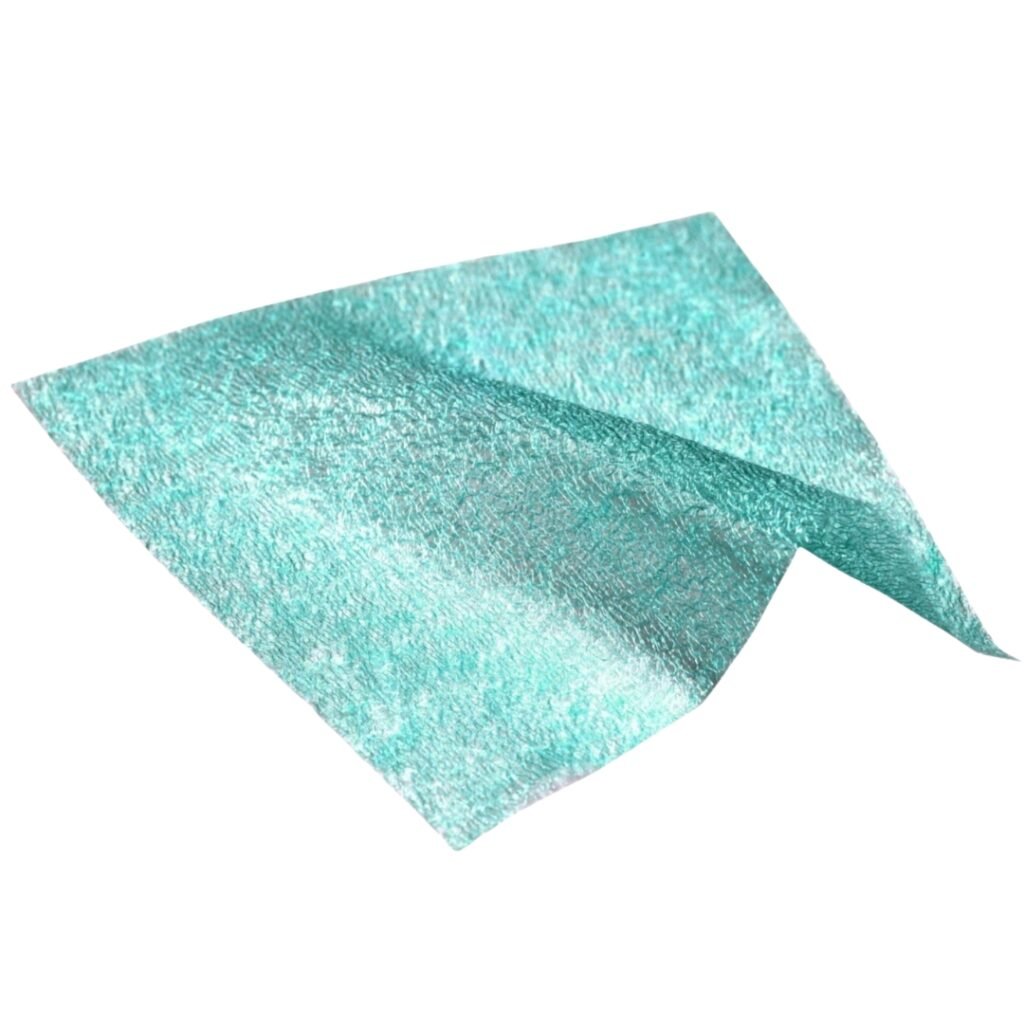
ZED: A Bio-Absorbable Reinforcement Strip
XYTE ZED (Zed-Stapleshield) is a staple line reinforcement strip applied at the staple line. It adds a soft-tissue reinforcement layer along the line, so the seal holds where the tissue itself is thin, friable or under tension. It is made entirely of SIS (small intestinal submucosa), a bio-absorbable material that the body remodels over time, leaving nothing permanent behind.
ZED is part of the XYTE REINFORCE range, described as the last layer of security for the staple line. See the REINFORCE page for details.
Questions to Ask About Any Reinforcement Product
- What is it made of? Synthetic, biological, absorbable or permanent?
- Which staplers is it compatible with? Check the loading method and the reload sizes.
- How is it loaded? A simple, quick method reduces theatre time and the chance of error.
- What clinical data supports it? Ask for the studies and read who produced them.
- What are the storage and handling needs? Biological products may have specific requirements.
Types of Reinforcement Material
Synthetic Materials
Synthetic buttress materials are made of polymers. Some are absorbed over weeks to months and others are designed to remain. They are generally easy to store and handle, and they are widely used in several specialities.
Biological Materials
Biological materials are derived from animal tissue. Some, such as SIS, are intended to be remodelled by the body, so no permanent foreign material remains. Surgeons who prefer this approach often choose it in tissue that is thin, friable or has been exposed to previous treatment.
Reinforced Reloads
Some manufacturers supply reloads with the reinforcement material pre-attached. Others supply separate strips that are loaded onto the jaws. Separate strips allow more flexibility in matching reinforcement to the chosen stapler and procedure.
Practical Tips for Using Reinforcement
- Read the instructions for the strip and the stapler, as each stapler supports particular strip sizes.
- Load the strips carefully so they sit flat and are aligned with the staple line.
- Keep the strip dry or prepare it as instructed, since some materials must be handled in a particular way.
- Inspect the line after firing to check the strip has been fixed along its whole length.
When Might Reinforcement Be Considered?
Surgeons commonly consider reinforcement in procedures with a recognised risk of staple line bleeding or leak, in patients with poor tissue quality, and at lines under tension. The decision always rests on clinical judgement. A well-chosen staple height, correct technique and careful inspection remain the foundation, with reinforcement as an additional safeguard.
Reinforcement Is One Layer, Not the Whole Answer
Reinforcement does not replace good technique. Choosing the right staple height for the tissue, compressing tissue correctly, avoiding tension and checking the anastomosis all remain essential. If you are comparing staplers, our selection checklist covers the other factors.
For product details or a demonstration, contact the XYTE team.
Continue Reading
- Circular Staplers and Anastomosis: Why Clearance and Compression Matter
- Powered vs Manual Surgical Staplers: What the Evidence Says
- What Is a Surgical Stapler and How Does It Work?
Frequently Asked Questions
What is staple line reinforcement?
It is an extra layer, such as a strip of buttress material, applied along the staple line to support tissue and help the seal hold where tissue is thin, friable or under tension.
Is reinforcement material absorbed by the body?
Some reinforcement materials are bio-absorbable. ZED, for example, is made of SIS (small intestinal submucosa), which the body remodels over time.
Does reinforcement always reduce leaks?
Not always. Published reviews report a lower rate of staple line bleeding and some leaks in certain procedures, but the evidence varies by specialty and is not conclusive.